
Among the most potent and adaptable material-handling tools utilized in contemporary industrial settings are double girder cranes. These cranes are frequently found in manufacturing facilities, steel processing facilities, power plants, big warehouses, and engineering workshops. They are made for heavy-duty lifting tasks. Along with the initial cost, industries also take into account the system's longevity, durability, safety and energy efficiency when analyzing double girder crane prices.
What Makes Double Girder Cranes Different
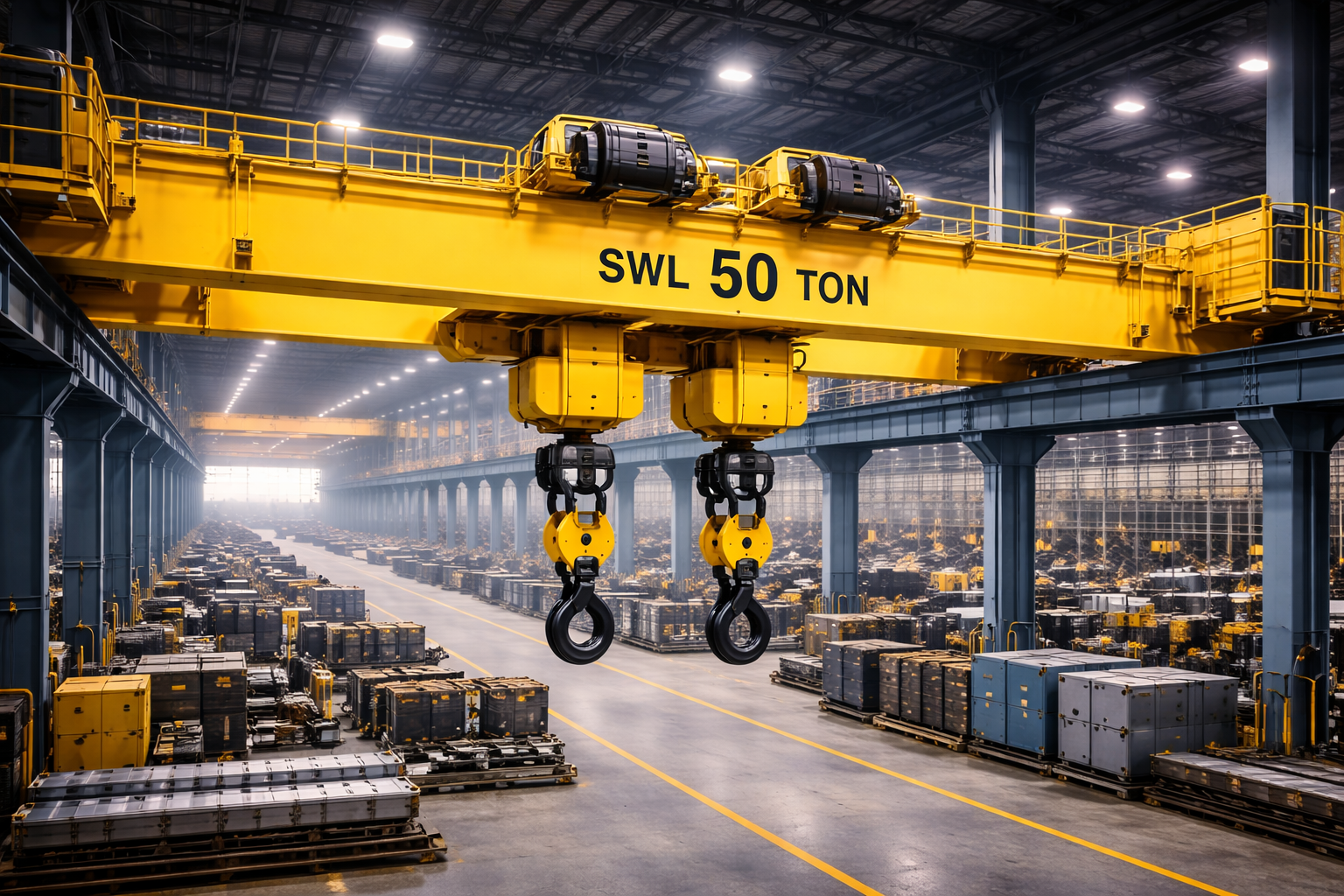
The lifting mechanism is mounted on top of two bridge girders that are positioned parallel to each other in a double girder crane. When compared to single girder systems, this design offers better loading capacity, greater stability and larger lifting heights. The intricacy of this design is a major factor in the analysis of double girder crane prices.
Key Factors Influencing Double Girder Cranes Prices
The cost of double girder cranes is directly impacted by a number of factors. Lifting capability is one of the most important aspects. Higher tonnage cranes need stronger girders, reinforced components and powerful hoisting systems, all of which raise costs. A further significant aspect is span length, as greater spans need more structural support.
Role of Engineering and Manufacturing Quality
The cost and functionality of a double girder crane are significantly influenced by engineering quality. The crane's ability to function safely during continuous load cycles is guaranteed by sophisticated design calculations, stress analysis, and load simulations. Strict quality checks, precise welding, and high-quality production procedures raise the price but greatly increase longevity and dependability.
Impact of Materials and Components
The price of double girder cranes is heavily affected by the materials used in their building. Excellent mechanical and electrical parts improve operational efficiency, while superior structural steel ensures durability and resistance to deformation. Better components offer a higher return on investment by reducing maintenance frequency and downtime.
Customization and Its Effect on Pricing
Crane prices are directly impacted by customization, which is frequently required to satisfy certain industrial needs. Special lifting heights, longer spans, faster transit speeds, distinctive control systems, or interaction with current infrastructure are examples of custom characteristics. The cost of double girder cranes is influenced by customized designs, which call for more engineering work and specialist manufacture.
Safety Features and Compliance Standards
One aspect of crane operations that cannot be compromised is safety. Many safety elements, including limit controls, rescue systems, anti-collision devices, overload protection and durable brake mechanisms, are installed on double girder cranes. Although it increases production complexity and costs, adherence to industrial safety regulations is necessary for long-term operational security.
Installation, Commissioning, and Support Costs
In addition to production, commissioning and installation have an impact on the cost of double girder cranes. Safe performance, seamless operation, and structural alignment are guaranteed by proper installation. Professional installation and support services are regarded as part of the total value package.
Energy Efficiency and Operational Savings
Energy efficiency is a key consideration in the construction of contemporary double girder cranes. Power consumption and mechanical wear are decreased via seamless start-stop mechanisms, efficient drive systems, and optimized motors. Cranes that use less energy result in reduced operational expenses and increased sustainability.
Durability and Lifecycle Value
One of twin girder crane systems' greatest advantages is their durability. These cranes are made for demanding uses and are built to last for many years. Robust structural design, quality components and rust-proof coatings increase service life and save maintenance costs.
Industry Demand and Market Trends
Crane prices are also influenced by market demand. The need for double girder cranes rises as the industrial, heavy engineering, and infrastructure industries expand. Pricing structures are influenced by market trends, the availability of raw materials, and technical developments.
Evaluating Price Versus Performance
Cost and performance must be balanced while evaluating double girder crane prices. A complete examination of design, engineering quality, materials, safety features, customization and long-term operating benefits is necessary to comprehend double girder crane prices. Double girder cranes are more expensive initially than lighter crane systems, but their efficiency, performance and longevity make up for the difference.